
Why Your Health Needs a Team: The Power of Interdisciplinary, Comprehensive, and Personalized Care

What Makes Modern Healthcare Different?
Today’s healthcare challenges are more complex than ever. We’re living longer, but with more chronic conditions. Complex problems are not amenable to single-discipline investigation, especially when it comes to conditions like dementia, diabetes, and heart disease that affect multiple body systems at once¹.
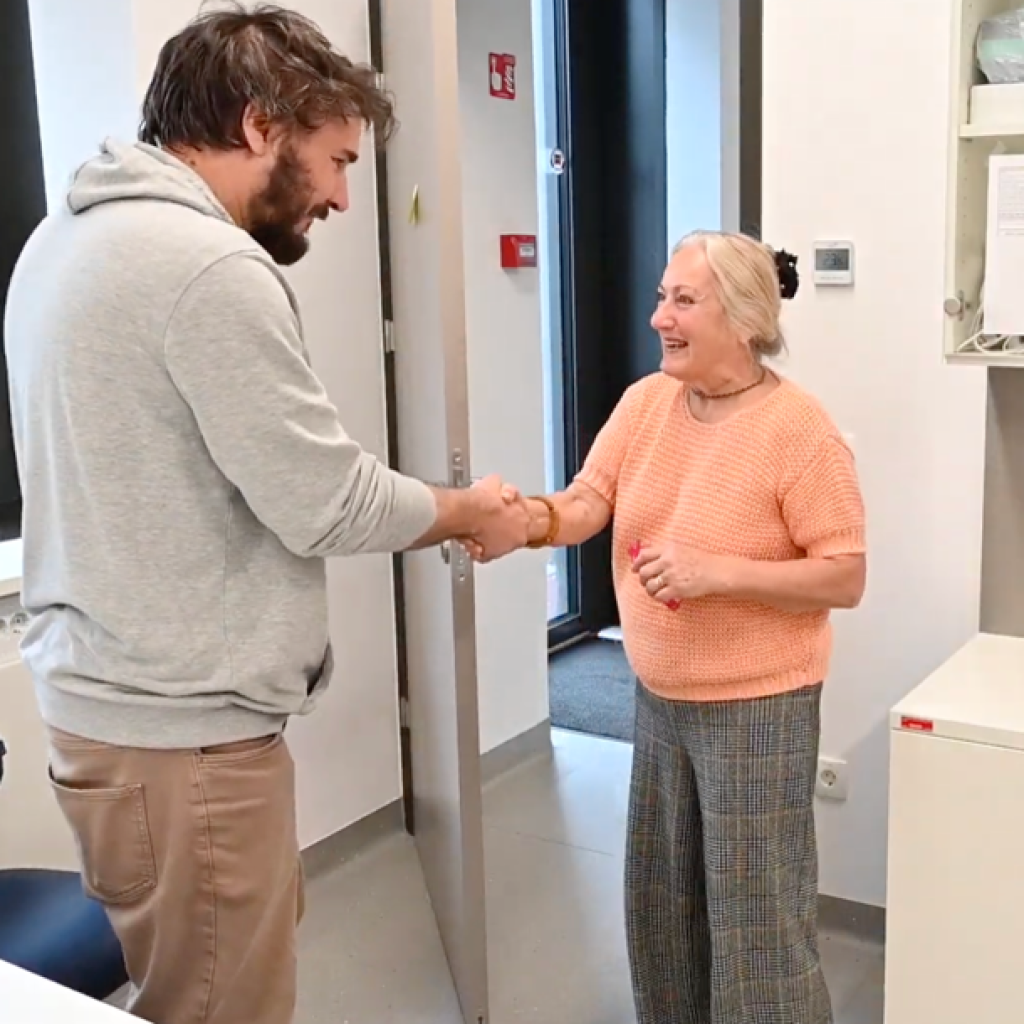
That’s why forward-thinking healthcare providers are embracing a team approach. Health care collaborations, defined as “an interpersonal process characterized by health care professionals from multiple disciplines with shared objectives, decision-making together to solve patient care problems”, are transforming how we prevent and treat disease².
The Triple Thread: Interdisciplinary, Comprehensive, and Personalized
1. Interdisciplinary Care: When Everyone Talks to Each Other
Remember playing telephone as a kid, where messages got garbled as they passed from person to person? That’s what happens in traditional healthcare. But interdisciplinary care changes the game.
Research indicates that medical care based on interdisciplinary cooperation is associated with increased patient safety, lower hospitalization rates, and reduced rates of complications and medical errors³. When your dentist talks to your neurologist, and your nutritionist collaborates with your primary care doctor, magic happens.
The benefits are clear:
- Fewer medical errors
- Shorter hospital stays
- Better treatment outcomes
- Higher patient satisfaction
2. Comprehensive Care: Looking at the Whole You
Your body isn’t a collection of separate parts – it’s an interconnected system. Comprehensive care recognizes this by addressing all aspects of your health: physical, mental, emotional, and even spiritual.
Healthcare issues are not limited to a single aspect of an individual’s health. They often involve physical, mental, social, and emotional dimensions⁴. This holistic approach means treating not just your symptoms, but understanding how your lifestyle, environment, and genetics all play a role in your health.
3. Personalized Medicine: Because You’re Not Average
Here’s a (perhaps) surprising truth: Even the world’s best scientists and doctors don’t yet fully understand how different people develop disease and respond to treatments⁵. That is because standard treatments are based in population averages – the hallmark and mainstay of science. While this approach allows us to identify treatments that work in general, they do present some traps when dealing with each individual person, namely that you’re not average – you’re unique.
Personalized medicine aims to tailor medical care and interventions to the specific characteristics of each patient⁶, considering your genetic makeup, lifestyle, and environment. This approach can:
- Predict which treatments will work best for you
- Minimize side effects
- Prevent diseases before they start
- Save money by avoiding trial-and-error treatments
The Challenge of Change
Of course, transforming healthcare isn’t easy. Differences in medical background training can present challenges to working together for the benefit of the patient when multiple departments are involved⁹. Healthcare providers need new skills, better communication systems, and a willingness to step outside their comfort zones.
But the payoff is worth it. Studies have shown that by reducing the inefficiencies, redundancies, and medical errors, hospitals that use an interdisciplinary model are able to improve surgical start times, prevent delays, and reduce the average length of patient stays¹⁰.
What This Means for You
As a patient, you can advocate for this type of care:
- Ask questions about how your healthcare providers communicate with each other
- Share information about all aspects of your health, even if they seem unrelated
- Keep records that you can share across your healthcare team
- Be open to treatments that address multiple aspects of your health
The Future is Already Here
Personalized medicine has the potential to fulfil the requirement to improve health outcomes by reducing healthcare costs, drug-development costs and time¹¹. As technology advances and our understanding of the human body deepens, interdisciplinary, comprehensive, and personalized care will become the norm, not the exception.Because when it comes to your health, you deserve nothing less than a whole team in your corner.
Healthcare is evolving from treating diseases to preventing them, from one-size-fits-all to personalized care, and from isolated specialists to collaborative teams. The question isn’t whether this transformation will happen – it’s whether you’ll be part of it.
References
- Rylance R. Interdisciplinary research: shaping the healthcare of the future. PMC. 2021.
- The Case for Understanding Interdisciplinary Relationships in Health PMC. 2023.
- The Significance of Cooperation in Interdisciplinary Health Care Teams as Perceived by Polish Medical PMC. 2023.
- Bridging the Gap: Interdisciplinary Approaches in Healthcare. Florida Health Care. 2022.
- What is personalized medicine? The Jackson Laboratory. 2023.
- Personalized Medicine: A Comprehensive Oriental Journal of Chemistry. 2024.
- Research Suggests Good Oral Health May Reduce Risk of Cognitive Brain & Life. 2024.
- Poor Oral Health as a Chronic, Potentially Modifiable Dementia Risk Factor: Review of the PMC. 2019.
- The Case for Understanding Interdisciplinary Relationships in Health PMC. 2023.
- Interdisciplinary care plans: Teamwork makes the dream Wolters Kluwer. 2020.
- Personalized medicine could transform PMC. 2017.
- Personalized Medicine in Brain Health Creyos. 2025.