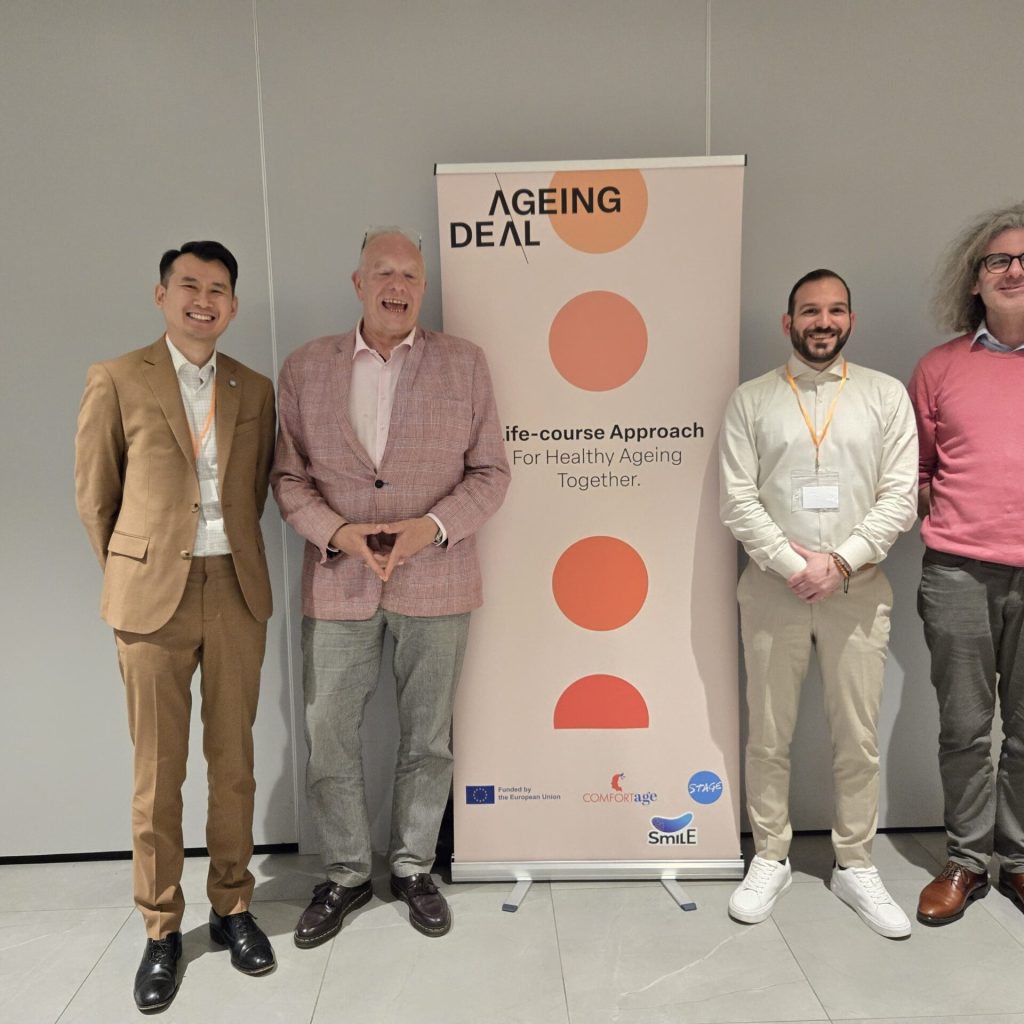
On 23 April, the second edition of the Ageing Deal Jint Event (advancing healthy and comfortable ageing across Europe) held in Rome brought together experts, European institutions, researchers, healthcare professionals and industry representatives with a shared objective: to promote healthier, more inclusive and sustainable ageing across Europe.
The event, in which COMFORTage Project played an active role, became an important platform for discussing innovation, prevention and the transformation of health and care systems. From the opening session, speakers emphasised the need for stronger collaboration between European projects, policymakers and stakeholders in order to address the growing challenges linked to Europe’s ageing population.
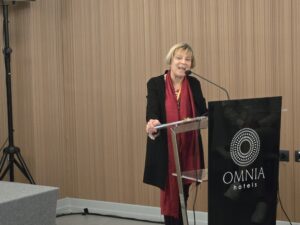
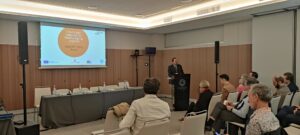
Keynotes speeches
Throughout the keynote sessions, participants highlighted the importance of prevention-focused policies and people-centred care models. A recurring theme was the urgent need to close the gap between lifespan and healthspan by developing more resilient healthcare systems that prioritise wellbeing, independence and quality of life for older adults.
Panel discussions
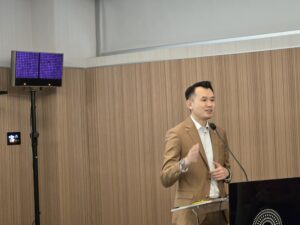
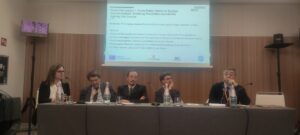
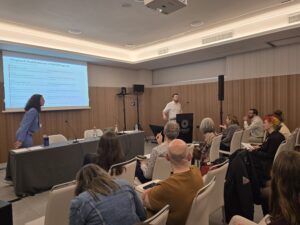
The panel discussions explored how these ambitions can be translated into real-world practice. Topics included prevention throughout the life course, community-based approaches to care, and tackling loneliness and social isolation — issues that continue to affect millions of older people across Europe. Discussions also focused on the adoption of digital health technologies, examining challenges related to trust, data protection, usability and the disconnect that can sometimes exist between technical development and clinical application.
One of the clearest conclusions from the conference was that successful transformation requires more than technological innovation alone. It also depends on active citizen engagement, stronger collaboration between technology developers and clinicians, and a long-term strategic vision for healthy ageing policies.
Workshops
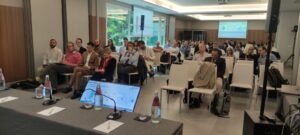
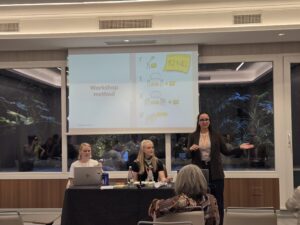
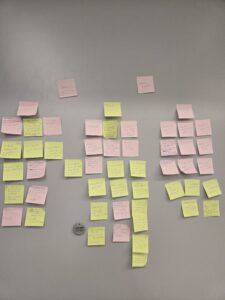
Interactive workshops and co-creation sessions allowed participants to put these ideas into practice. Attendees explored innovative tools such as the blueprints developed by THE STAGE Project to identify gaps within existing systems, alongside advanced solutions including the patient digital twin and educational materials promoted by COMFORTage Project. In addition, SmILE – Smart Implants for Life Enrichment highlighted the barriers to digital inclusion still faced by many older adults, underlining the importance of designing accessible, user-friendly technologies tailored to their needs.
The conference concluded with a strong call to continue collaboration beyond the event itself. Initiatives such as COST – European Cooperation in Science and Technology were identified as valuable opportunities to strengthen synergies between European projects and support long-term research and innovation partnerships.
Overall, the II Ageing Deal Joint Event reinforced a shared European commitment to building more preventive, inclusive and resilient systems that support healthy and comfortable ageing for all generations.