
The COMFORTage project is based on a simple principle: effective healthcare innovation begins with people. By recognising patients as unique individuals and integrating their experiences into the COMFORTage tools, project places people-centred care at the heart of its approach. This principle guided Task 2.2 “People-Centred System Design and Co-Creation”, ensuring that the tools address real needs, meet expectations, and fit into everyday healthcare practice.
As COMFORTage solutions mature, the project is moving beyond exploration towards real-world readiness, refining the tools and ensuring their usability, and long-term value through direct feedback from stakeholders.
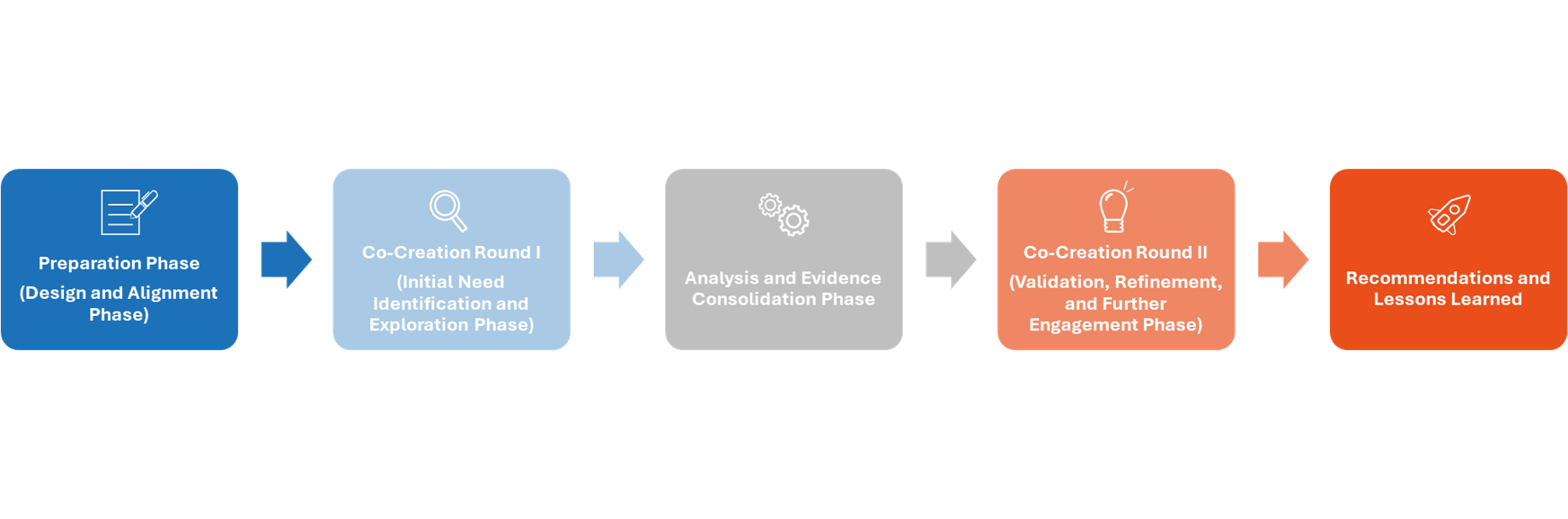
Building on the insights of the Co-Creation Workshops round I (CCWS-I), the project has now completed successfully the second round of workshops (CCWS-II), marking a major milestone in the co-creation journey.
From Co‑Design to Validation and Refinement
While CCWS‑I centred on identifying needs, CCWS‑II shifted focus towards validation, refinement, and sustained engagement. CCWS-II brought together 176 participants across 20 workshops, engaging diverse stakeholders including healthcare professionals, patients, caregivers, researchers, and medical students.
Main objectives of CCWS-II included:
- Validate and refine the 18 existing Blueprint Personas (BPPs), developed in CCWS-I, representing diverse user profiles and needs,
- Collect targeted feedback on the COMFORTage tools, including the Clinical Decision Support System (cDSS) and Patient Digital Twin (PDT),
- Translate user profiles, feedback and tool preferences into actionable points for pilot implementation,
- Broaden stakeholder participation.
Spotlight on COMFORTage Blueprint Personas
A central focus of CCWS-II was the validation and refinement of the BPPs, ensuring they reflect real-life contexts. During the workshops, participants recognised themselves within the personas, particularly in motivation and daily routines.
Key takeaways from CCWS-II included:
- Differences in digital literacy, mobility, and family involvement emerged more clearly than in the CCWS-I,
- Participants from rural areas highlighted mobility constraints, limited local services, and emotional weight of isolation,
- Cognitively impaired participants captured fluctuations in confidence, and the importance of assisted use,
- Participants emphasised the fear of making mistakes, privacy concerns, and the embarrassment related to functional decline.
Value of COMFORTage Tools in Practice: cDSS and PDT
CCWS-II provided deeper insights into how cDSS and PDT could support clinical decisions, patient engagement, and personalised care. Participants highlighted value for early detection, longitudinal monitoring, and clearer interpretation of health information.
Key insights regarding the COMFORTage tools included:
- Acceptance of the tool was strongest when they were positioned as supportive complements to existing care practices, rather than as replacements for professional expertise,
- Participants identified concerns such as the risk of increased workload, unclear responsibilities for data review, ethical transparency on how recommendations are generated and what data are used.
Co‑Creation as a Continuous Process
Together, the two rounds of workshops formed a full co-creation cycle, in which user perspectives accompany the progression of COMFORTage tools from early conceptualisation to more advanced prototyping. Compared to the CCWS-I, CCWS-II demonstrated clearer stakeholder understanding, a greater depth and specificity of feedback, and strengthened methodological consistency across all COMFORTage pilots.